



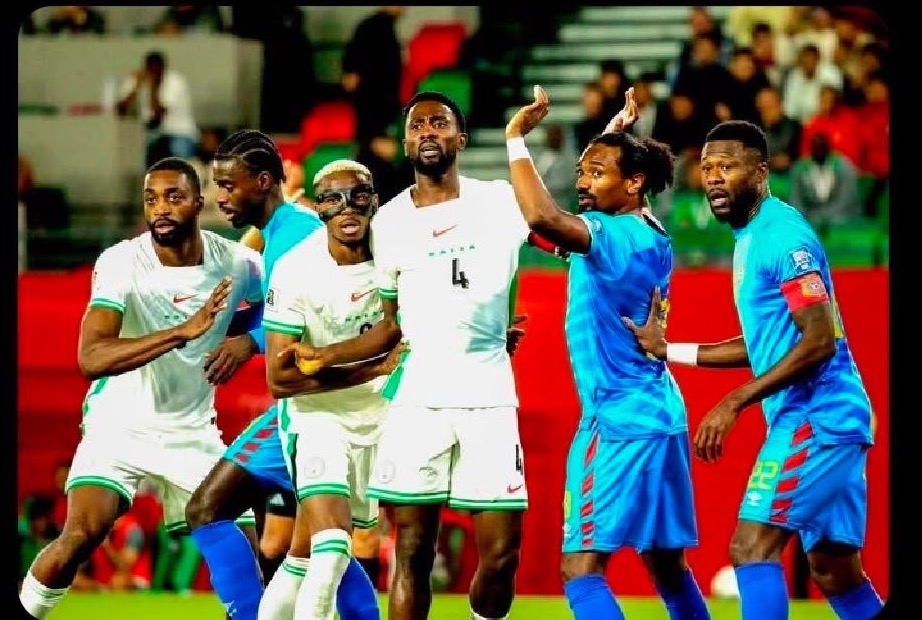
FIFA has initiated an investigation into the eligibility of several players who represented the Democratic Republic of Congo (DR Congo) during the 2026 FIFA World Cup qualifiers. This action follows a formal petition submitted by the Nigeria Football Federation (NFF), which alleges that up to nine DR Congo players may have switched national allegiances without fully complying with FIFA regulations and Congolese nationality laws.
The NFF’s concerns center on the assertion that these players retained dual nationalities, holding European passports alongside Congolese ones, contravening DR Congo’s constitutional prohibition against dual citizenship. While FIFA’s eligibility criteria primarily focus on the possession of a valid passport from the representing country, the NFF alleges that the documentation provided to FIFA may have been misleading, potentially resulting in the improper clearance of these players.
Among the players reportedly under scrutiny are Michel-Ange Balikwisha, Mario Stroeykens, and Matthieu Epolo, all of whom previously represented Belgium at youth levels. Balikwisha made his senior debut for DR Congo during the playoff match against Nigeria, contributing significantly by scoring in the decisive penalty shootout.
FIFA has acknowledged receipt of Nigeria’s complaint and is actively reviewing the matter. Should the investigation substantiate the claims of ineligibility, DR Congo could face sanctions, including potential disqualification from the intercontinental playoff scheduled for March 2026. Such an outcome might reopen the door for Nigeria to qualify for the World Cup.
As of now, DR Congo’s football authorities have not issued an official response to the allegations.
However, Herita Ilunga, DR Congo’s director of football, did respond to the situation on his personal X account, stating: “FIFA doesn’t consider legal nationality but sporting nationality. If that’s true, I advise you, dear Nijas brothers, to focus on the AFCON instead.”
The situation remains fluid, with FIFA’s forthcoming decision poised to have significant implications for both national teams’ World Cup aspirations.

